
"Venezuela coffee"
1000 article(s) found

Introduction of Venezuelan coffee producing areas with smooth taste and sweet taste
The distinctive manor coffee comes from this oil-rich country. Oil was once considered to be the main export of Venezuela. Although coffee trees were introduced from Martinique in 1730 and Venezuela, coffee production was almost abandoned at the height of the oil industry. Recently, coffee plantations have begun to recover, with the original planting of Tipica and

Trade oil for coffee? Flavor and taste characteristics of Venezuelan coffee.
More information on coffee beans Please follow the Coffee Workshop (official Wechat account cafe_style) Coffee trees were introduced from Martinique in Venezuela in 1730, but at the height of the oil industry, coffee production was almost abandoned. Fortunately, coffee cultivation has begun to recover recently, and the original Typica and Borubon coffee plantations have laid the foundation for coffee exports.

Introduction of delicious and light Venezuelan coffee beans
Venezuelan coffee tastes different from other coffee in Latin America. It is delicious, light and less sour than traditional coffee, which makes it not only blended but also distinctive. Venezuelan coffee beans taste smooth and sweet. Compared with other coffee in Latin America, Venezuelan coffee is lighter, full-grained, sour, sweet and deep. Venezuela

Tazira San Cristobal Manor in the southwest of the Venezuelan coffee plantation
The best coffee names in Venezuela are: Montebello in San Cristobal (San Cristbal de Tachira) in Tazira, Miramar in Rubio (Rubio de Tachira) in Tazira, Granija in Timothe (Timote de Merida) in Merida, and Santa Ana in Tacira (San)
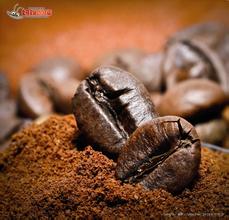
Venezuelan coffee beans with lighter weight, fuller particles and weaker acidity
Venezuela's best coffees are Montebello from San Cristbal de Tachira, Miramar from Rubio de Tachira, Granija from Timote de Merida and San Ana from Tachira.

Smooth and sweet Venezuelan coffee beans introduce boutique coffee
The best coffee names in Venezuela are: Montebello in San Cristobal (San Cristbal de Tachira) in Tazira, Miramar in Rubio (Rubio de Tachira) in Tazira, Granija in Timothe (Timote de Merida) in Merida, and Santa Ana in Tacira (San)

Smooth and sweet Venezuelan coffee producing area of San Cristobal
The best coffee names in Venezuela are: Montebello in San Cristobal (San Cristbal de Tachira) in Tazira, Miramar in Rubio (Rubio de Tachira) in Tazira, Granija in Timothe (Timote de Merida) in Merida, and Santa Ana in Tacira (San)

Introduction of Venezuelan coffee beans with smooth taste and sweet taste
The best coffee names in Venezuela are: Montebello in San Cristobal (San Cristbal de Tachira) in Tazira, Miramar in Rubio (Rubio de Tachira) in Tazira, Granija in Timothe (Timote de Merida) in Merida, and Santa Ana in Tacira (San)

Delicious and light Venezuelan coffee beans from San Cristobal area
Coffee cultivation in Venezuela begins with the introduction of coffee trees from Martinique in 1730, and the development of coffee in this country did not receive much attention at the time of introduction. Because Venezuela was in the heyday of the oil industry, coffee development was in the doldrums. It was not until later that it slowly recovered and not only planted the original Tippica and bourbon coffee trees, but also developed new producing areas.
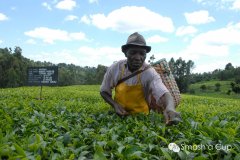
Specialty Manor Coffee Caracas Coffee producing area
High-quality coffee beans are refined by water treatment. The coffee beans with less impurities can be obtained by the water washing method, but if the water quality and time are not properly controlled during the fermentation process, the coffee beans will easily be infected with the sour taste of excessive fermentation. and dry beans also need to pay attention to timely re-inspection to prevent coffee beans from being contaminated by wet ground and sundries. Processed

Delicious, light Venezuelan coffee taste and flavor introduction boutique coffee
Venezuelan coffee tastes different from other coffee in Latin America. It is delicious, light and less sour than traditional coffee, which makes it not only blended but also distinctive. Flavor: rich and delicious fruit flavor suggested roasting methods: medium to deep roasting, multi-purpose ★★: good Venezuelan coffee market: at present, most Venezuelan coffee is exported

Introduction of 53 varieties of coffee beans in the world
Venezuela Venezuela Angola Angola Burundi Burundi Cameroon Emulon Ethiopia Ethiopia CotedIvoire C ô te d'Ivoire Kenya Kenya Madagascar Madagascar Mozambique Mozambique Rwanda Rwanda St.Helena Saint Helena Sao Tome and Principe Sao Tome and Principe South a

The characteristics of Venezuelan coffee
Venezuela introduced coffee trees from Martinique as early as 1730, but coffee production was almost abandoned at the height of the oil industry. Recently, coffee plantations have begun to recover, with original Tipica and bourbon coffee trees and new plantations laying the foundation for coffee exports.

The development of Venezuelan coffee began with the founding of the people's Republic of China in 1830. How do you evaluate their coffee?
Professional coffee knowledge exchange more coffee bean information please pay attention to the coffee workshop (Wechat official account cafe_style) this is generally brewed with a professional coffee machine, not instant coffee, you can see after you open it, he is very pure ANZOATEGUI: is a state in eastern Venezuela, Ansoatjee state puro cafe: 100% pure coffee

Introduction to the flavor and taste of the coffee growing environment in Lazimus Manor, Colombia.
In his letter from Jamaica in 1815, Bolivar envisioned that when South America was liberated from Spanish colonial rule, New Granada and Venezuela should form a country, named Colombia. In August 1819, Bolivar's Patriotic Army defeated the Spanish colonial army at the Battle of Boyaca and liberated Bogota. So, New Granada and Venezuela

Smooth, sweet Venezuelan coffee beans from San Cristobal
Venezuelan coffee beans taste smooth and sweet. Venezuelan coffee is lighter in weight, fuller in grain, less sour, and sweeter and darker than other Latin American coffees. Venezuela sells socialist coffee Venezuelan cafes Recently, in Venezuela's state-owned coffee chain Venezuelan cafes, there has been a particularly interesting phenomenon: the store is for Gu

Introduction to the delicious and light flavor of Venezuelan coffee beans
The best coffee names in Venezuela are: Montebello in San Cristobal (San Cristbal de Tachira) in Tazira, Miramar in Rubio (Rubio de Tachira) in Tazira, Granija in Timothe (Timote de Merida) in Merida, and Santa Ana in Tacira (San)

The taste of Hawaiian coffee beans, the only coffee producing state in the United States.
Venezuelan coffee tastes different from other coffee in Latin America. It is delicious, light and less sour than traditional coffee, which makes it not only blended but also distinctive. Venezuelan coffee beans taste smooth and sweet. Compared with other coffee in Latin America, Venezuelan coffee is lighter, full-grained, sour, sweet and deep. Venezuela

Smooth taste, sweet Venezuelan coffee San Cristobal coffee
Venezuelan coffee tastes different from other coffee in Latin America. It is delicious, light and less sour than traditional coffee, which makes it not only blended but also distinctive. Venezuelan coffee beans taste smooth and sweet. Compared with other coffee in Latin America, Venezuelan coffee is lighter, full-grained, sour, sweet and deep. Venezuela

Varieties of coffee beans in Africa and South America
Neutral Brazil, El Salvador, lowland Costa Rica, Venezuela, Honduras, Cuba. Mellow Colombian metenin, Mocha, Blue Mountains, Guatemala, Costa Rica. Generally speaking, sour coffee beans, especially high-quality new beans, are best roasted shallower, while bitter coffee beans are roasted shallower, and then sweet details are mostly in the highlands.